
How to Understand a Slot Before You Spin: Layout, Symbols, and Bonus Clues
If you are new to demo slots, one of the best habits you can build is learning how to read a slot before you press spin. A game can look attractive at first glance, but the real question is whether its layout, win logic, and feature set are easy enough for you to understand right away.
That matters because not every slot teaches itself clearly. Some games are easy to read within seconds, while others look simple at first but hide a more complex structure underneath. If you already know what makes a slot easy to read, you will make better first choices and avoid unnecessary confusion.
What to look at first
Before you think about themes, volatility, or how popular a game is, start with the screen itself. Look at the layout, the number of reels or grid positions, the visible symbols, and any bonus indicators that already appear on the main game screen.
A good first question is simple: does this slot look structured or busy? A slot with a clean layout, clear symbol hierarchy, and one obvious feature is usually much easier to follow than a game that starts by showing multiple modifiers, changing reel shapes, or several active mechanics at once. That is also why it helps to know how to choose your first demo slot before you start comparing more advanced games.
Start with the layout
The layout is the fastest clue to how a slot wants to be read. A classic five-reel slot usually tells you that the game may rely on paylines or a familiar left-to-right structure, while a grid-style slot often points toward a more visual or count-based system.
That does not mean a classic-looking slot is always simple or that a grid slot is always difficult. It only means that the shape of the screen gives you an early hint about the kind of logic you are about to follow. If you want to separate traditional formats from more visual ones quickly, start with how to spot a payline slot at a glance and then move to how to recognize a count-based slot.
Then identify the win system
Once you have looked at the layout, the next step is to ask how the slot actually creates wins. Some slots pay across fixed lines, some pay anywhere once enough matching symbols appear, and others rely on connected groups or changing reel structures.
This is where many beginners get lost, because the screen alone does not always tell the whole story. A slot can look modern but still have very readable logic, while another can look friendly and still use a more advanced payout model. The quickest way to confirm the structure is to open the slot paytable and check whether the game is line-based, count-based, cluster-based, or built around changing ways to win.
Look for bonus clues early
After the layout and win system, the next thing to check is whether the slot is feature-light or feature-heavy. If the screen already suggests tumbling wins, multiplier layers, mystery symbols, sticky wilds, or expanding grids before you even begin, that usually means the game will ask more from a first-time player.
This does not make the slot bad. It simply changes who the slot is best for. A beginner-friendly game usually teaches one main idea clearly, while a more complex game may combine several ideas at once. That is why it helps to know how to tell if a slot is feature-heavy and to recognize the common signs a slot is too complex for beginners.
A few real examples
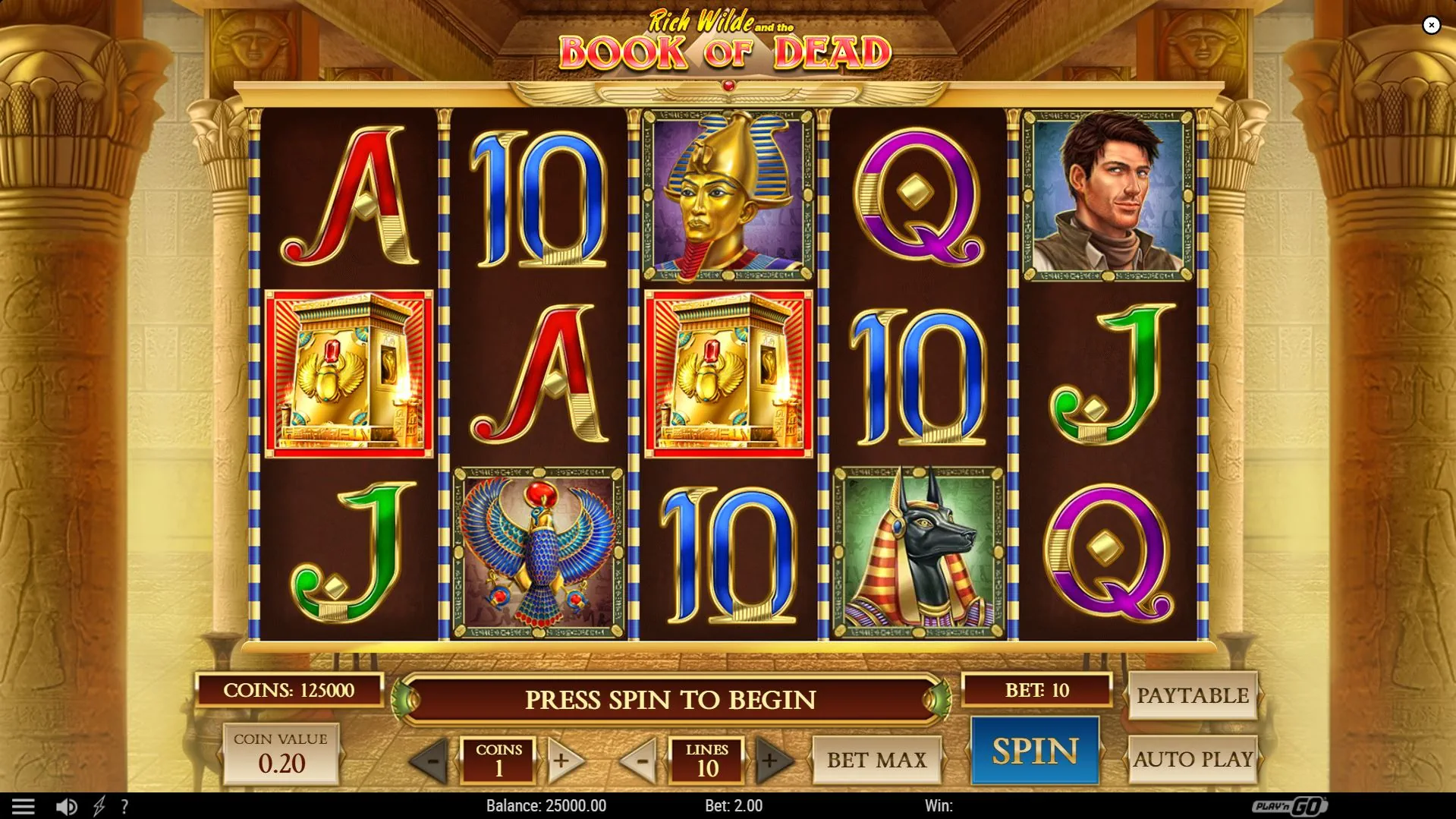
Book of Dead
A slot like Book of Dead is a good example of a game that communicates its structure clearly. The layout is familiar, the main feature is easy to describe, and the game does not overload the screen with too many ideas at once. That makes it a strong teaching example for beginners.
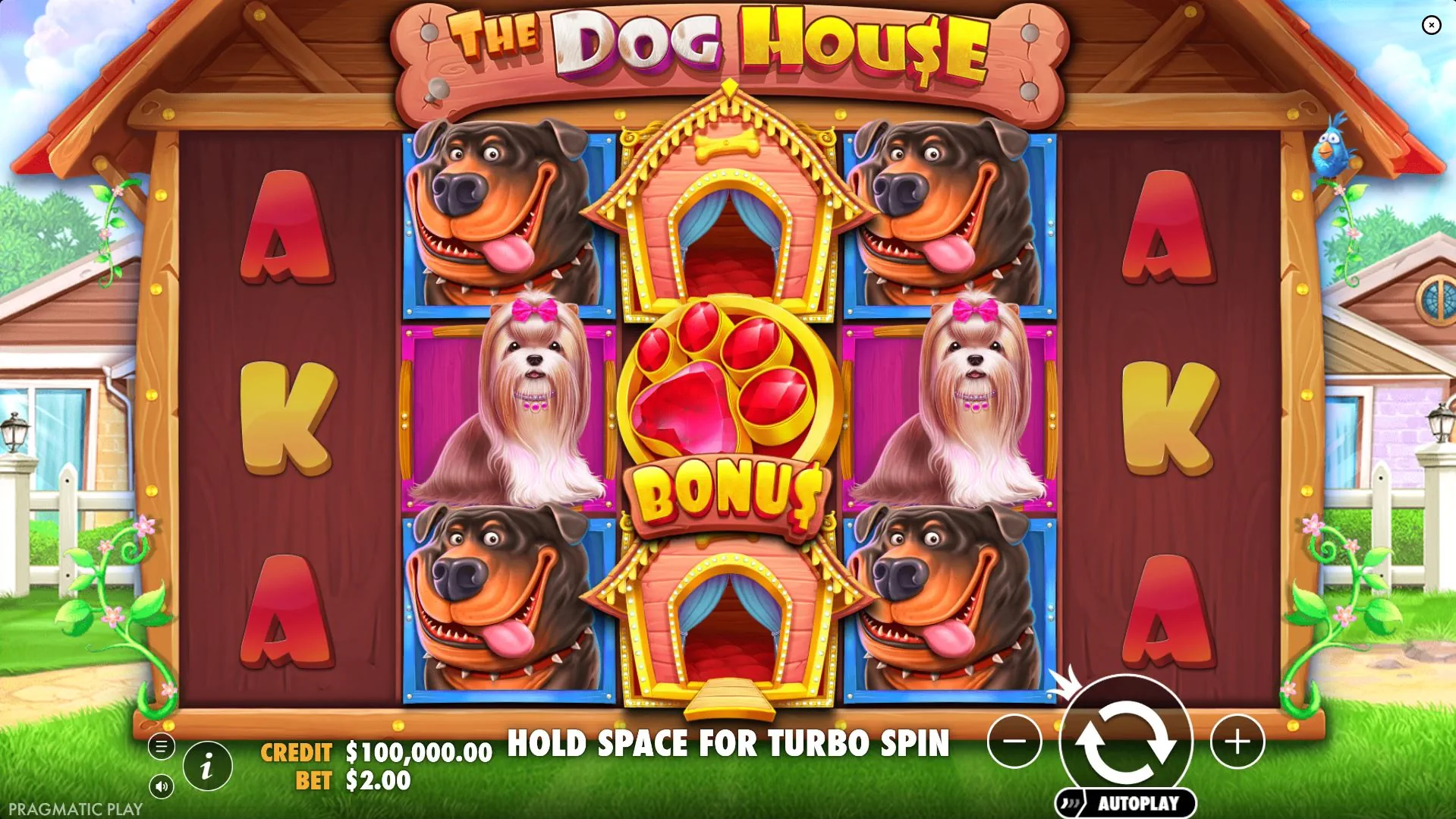
The Dog House
A game like The Dog House also stays readable, but for a different reason. Its feature identity is visible and memorable, so the player quickly understands what matters most during play. That makes it a strong bridge between classic structure and feature-led gameplay.
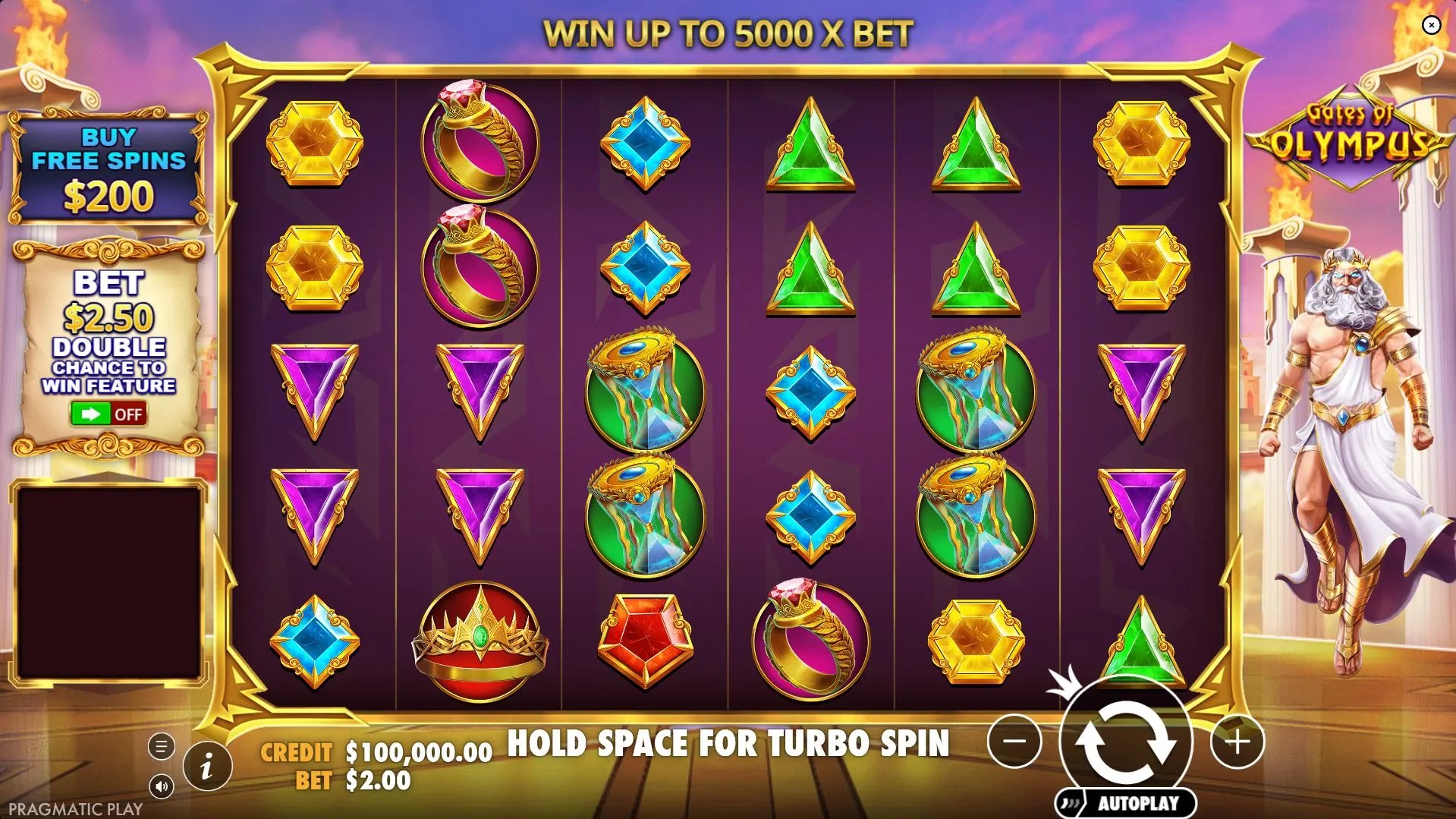
Gates of Olympus
Then you get a game like Gates of Olympus, where the reading process changes. The layout, symbol counting, and feature presentation all create a more dynamic experience, which is why the game works better once you already understand the basics of count-based logic. That kind of contrast becomes even clearer if you already know the difference between Cluster Pays and Megaways, because both of those formats also teach you to look beyond classic paylines.
Compare difficulty before you play
A very useful beginner habit is to compare two slots before opening both in separate tabs and spinning immediately. Ask yourself four quick questions: which slot has the cleaner layout, which one has the easier win logic, which one shows fewer active features, and which one looks easier to explain in one sentence?
That short test often tells you more than the theme does. If one slot can be described as “a classic five-reel slot with one clear free-spins feature” and the other sounds like “a dynamic game with tumbling wins, shifting structures, and layered modifiers,” you already know which one is better for a first session. For a fast practical method, use how to compare two slots in 60 seconds.
What beginners should do next
If the slot looks clean, readable, and mechanically focused, it is usually a good candidate for early demo play. If it looks dense, heavily animated, or built around several moving systems at once, it may still be worth playing later, but not necessarily as your first learning slot.
The goal is not to avoid advanced slots forever. The goal is to build a strong reading habit first. Once you know how to spot layout clues, win logic, and bonus signals before you spin, almost every game becomes easier to understand.