
How to Tell If a Slot Is Feature-Heavy
Not every slot that looks exciting is easy to follow. Some games pack several mechanics into a single session — tumbling wins, multiplier symbols, collect features, buy options, progressive tiers — and present all of them at once from the moment you open the game. That is what makes a slot feature-heavy, and recognising it before you spin is a practical skill that saves a lot of confusion.
A feature-heavy slot is not a bad slot. It is simply a slot that asks more from the player in terms of reading and tracking. Understanding what kind of slot you are opening before the first spin means you can choose the right level of complexity for the session you actually want.
What the main screen already tells you
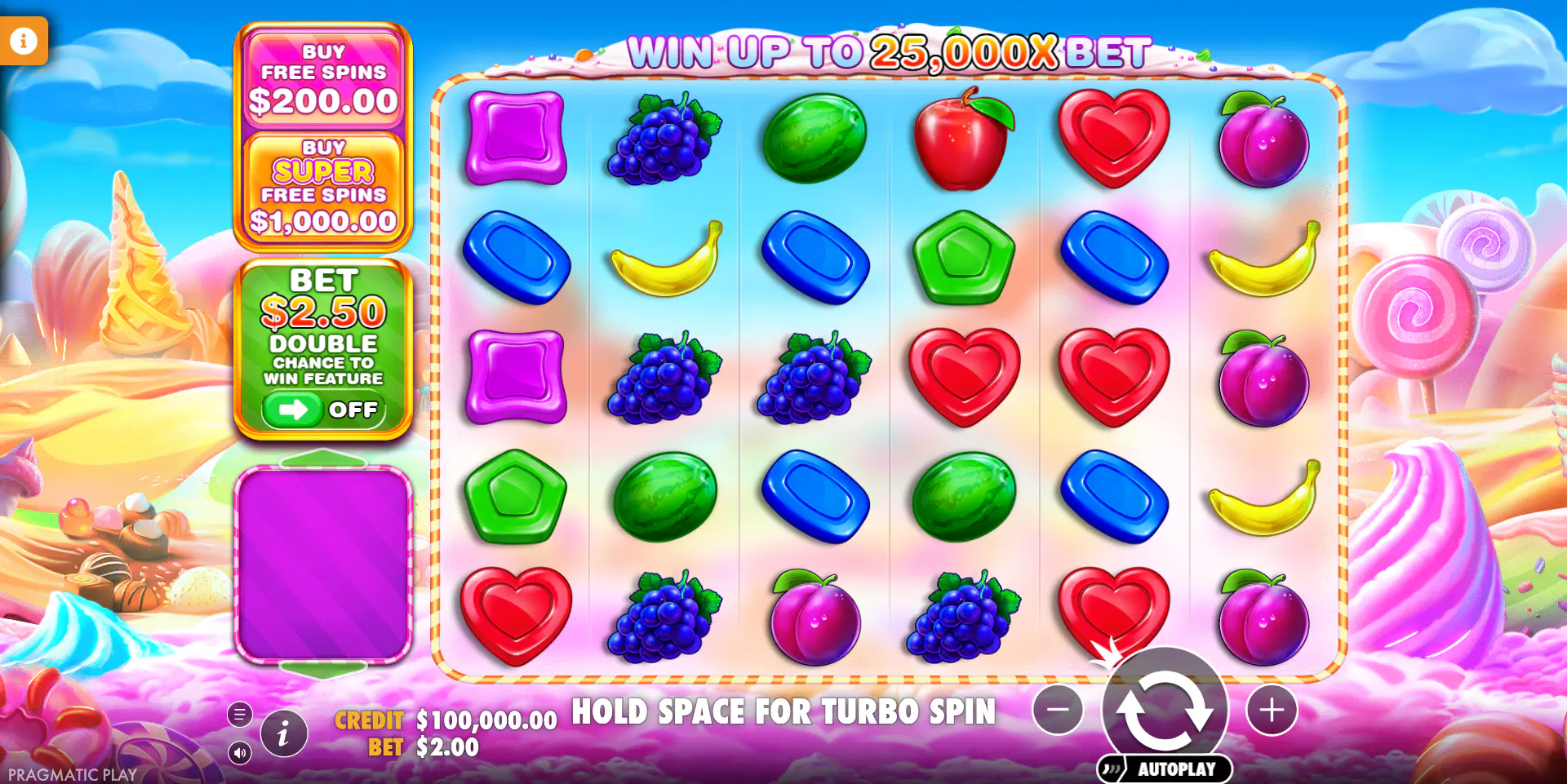
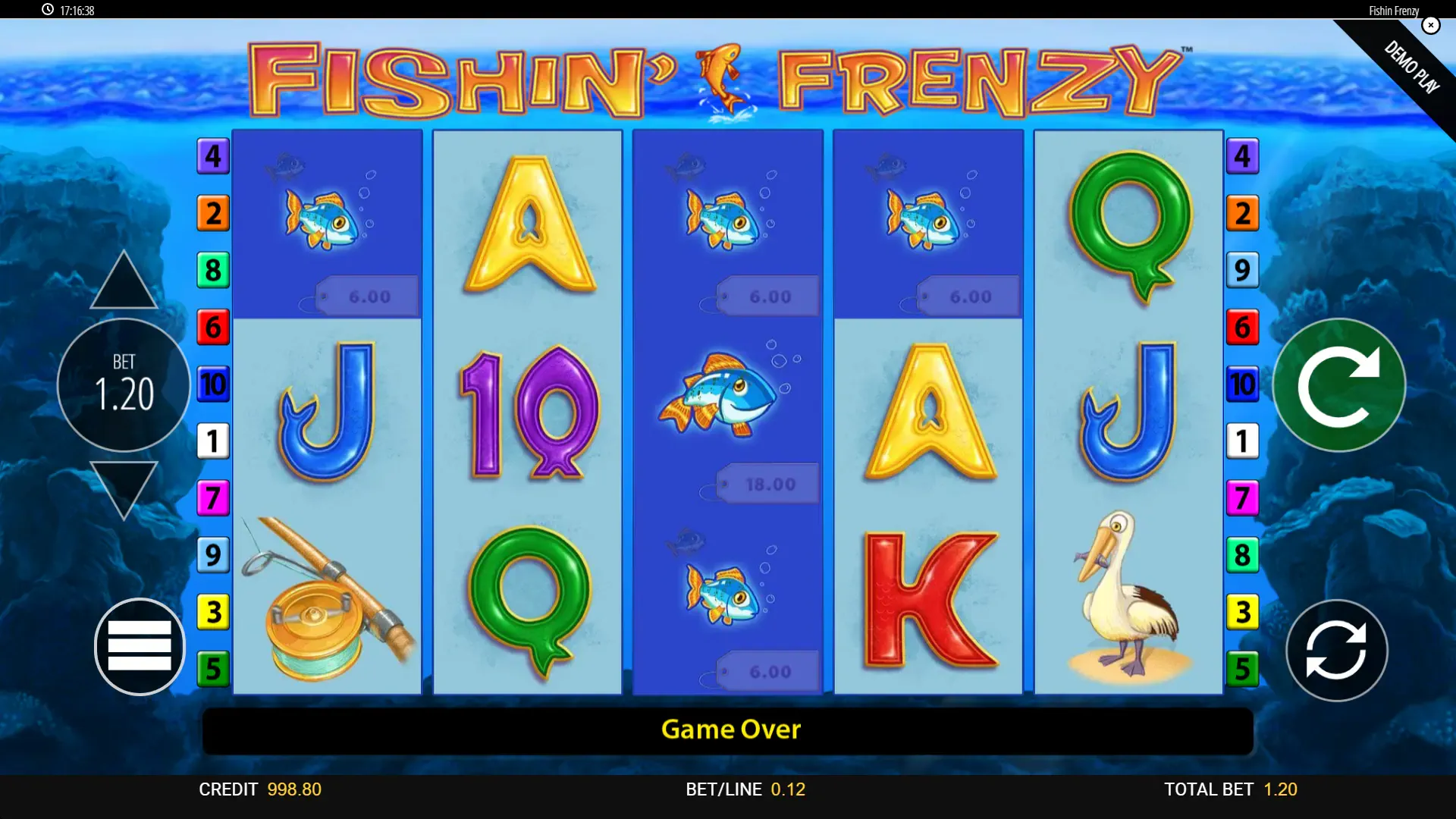
The simplest signal is the opening screen itself. A slot that presents multiple interactive elements, purchase options, toggle switches, or active counters before you have pressed spin once is signalling that the game has more layers than a straightforward base game and one bonus feature.
Sweet Bonanza 1000 shows this clearly from the start. The left panel of the screen carries two Buy Bonus buttons — Buy Free Spins and Buy Super Free Spins — alongside a “Double Chance to Win Feature” toggle. The headline above the grid reads “WIN UP TO 25,000X BET.” That is four separate pieces of information on the main screen before the first spin has settled, each one pointing to a different layer of the game’s design.
Compare that to a slot that opens with a clean grid, a single spin button, and nothing else competing for your attention. That difference in opening-screen density is one of the fastest readability signals a slot can give you, and it connects directly to what makes a slot easy to read.
Fishin’ Frenzy opens with a 5×3 grid, numbered payline indicators on both sides, and a bet control on the left. There are no purchase panels, no toggle switches and no bonus-ceiling announcement. The screen communicates one thing: here is the game, here are the lines, here is your bet. That structural simplicity is what keeps it on the right side of the feature-heavy line.
How many mechanics are active at once
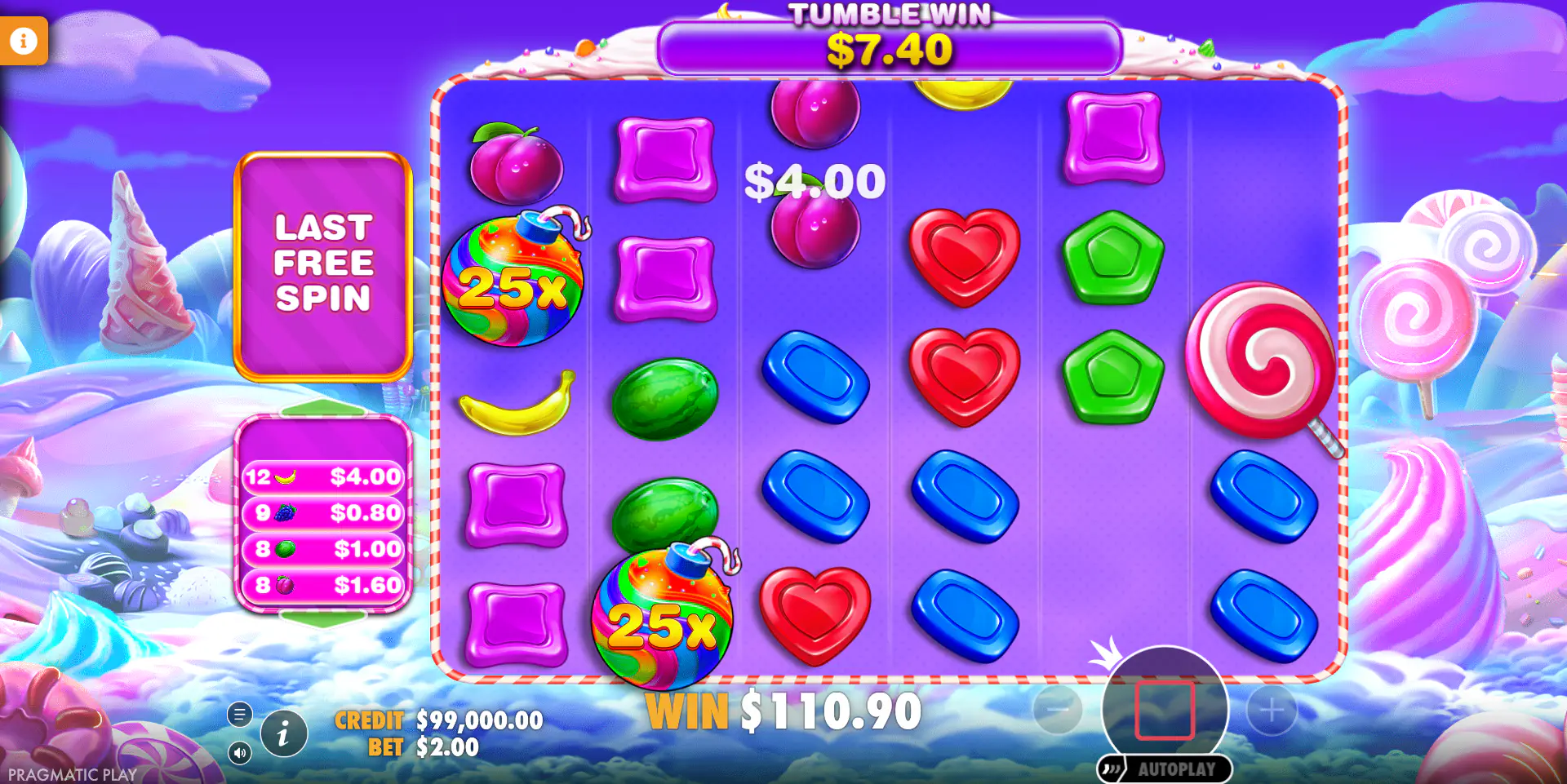
After the opening screen, the clearest indicator of feature weight is how many mechanics can be active at the same time during a single spin.
A slot with one active mechanic per spin — for example, a payline game where wilds substitute for other symbols during the base game — is easy to track. You watch the grid, you see a win or not, and you understand why.
A slot where each spin can trigger tumbling wins, apply a multiplier to the tumble sequence, add a new multiplier symbol mid-sequence, continue into a secondary win, and finally total all accumulated multipliers before settling — that is a slot with several overlapping mechanics in operation simultaneously.
During a free spins session in Sweet Bonanza 1000, all of the following can be active at once: a tumble sequence removing winning symbols, a “LAST FREE SPIN” indicator appearing in the left panel, two multiplier bomb symbols displaying 25x values, individual win amounts appearing as floating labels above matching symbols, a running tumble win counter at the top of the screen, and a total win display at the bottom. That is not one mechanic. It is five or six simultaneously, and following them all in real time requires a good understanding of each one individually before the round makes full sense
How many pages the paytable needs
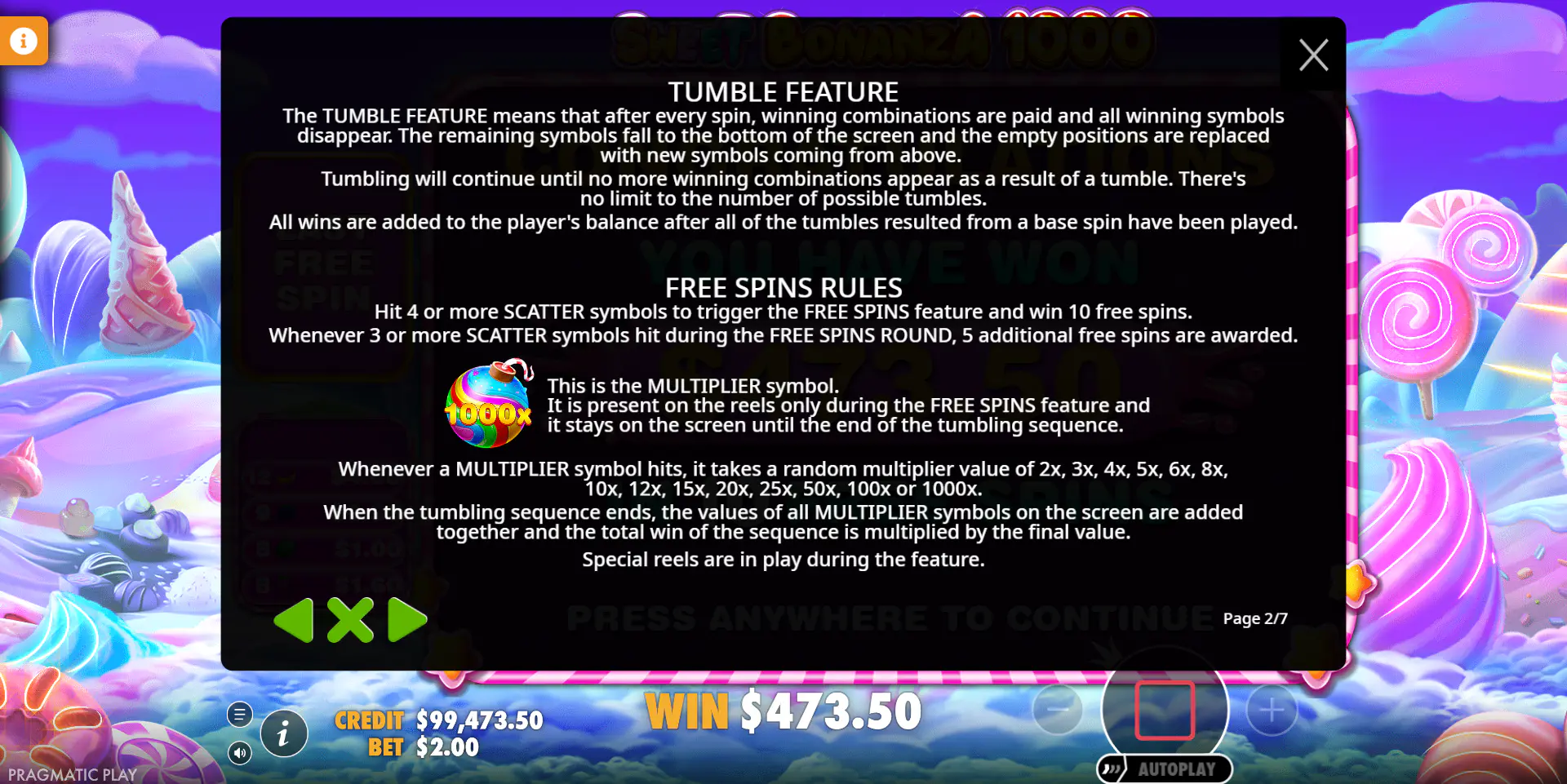
A reliable proxy for feature complexity is the length of the rules or paytable section. A game with one main mechanic and a straightforward bonus can explain itself in two or three paytable screens. A game with multiple layered features needs significantly more space to describe them all.
Sweet Bonanza 1000 runs to seven paytable pages. Page 2 of 7 covers the Tumble Feature and the Free Spins Rules, and it also introduces the Multiplier symbol — a separate symbol type that only appears during free spins, stays on screen until the tumble sequence ends, takes a random multiplier value from a list of twelve possible amounts, and combines with other multiplier symbols by addition at the end of the sequence. That is one paytable page describing one feature layer. There are six more pages behind it.
That does not mean the game is too difficult to enjoy. It means the game rewards players who have already learned to read a slot paytable carefully and understand what each section is describing before they start. For a player who has not done that yet, seven paytable pages is a signal that this slot works better as a next step than as a first-ever session.
When the bonus screen becomes its own interface
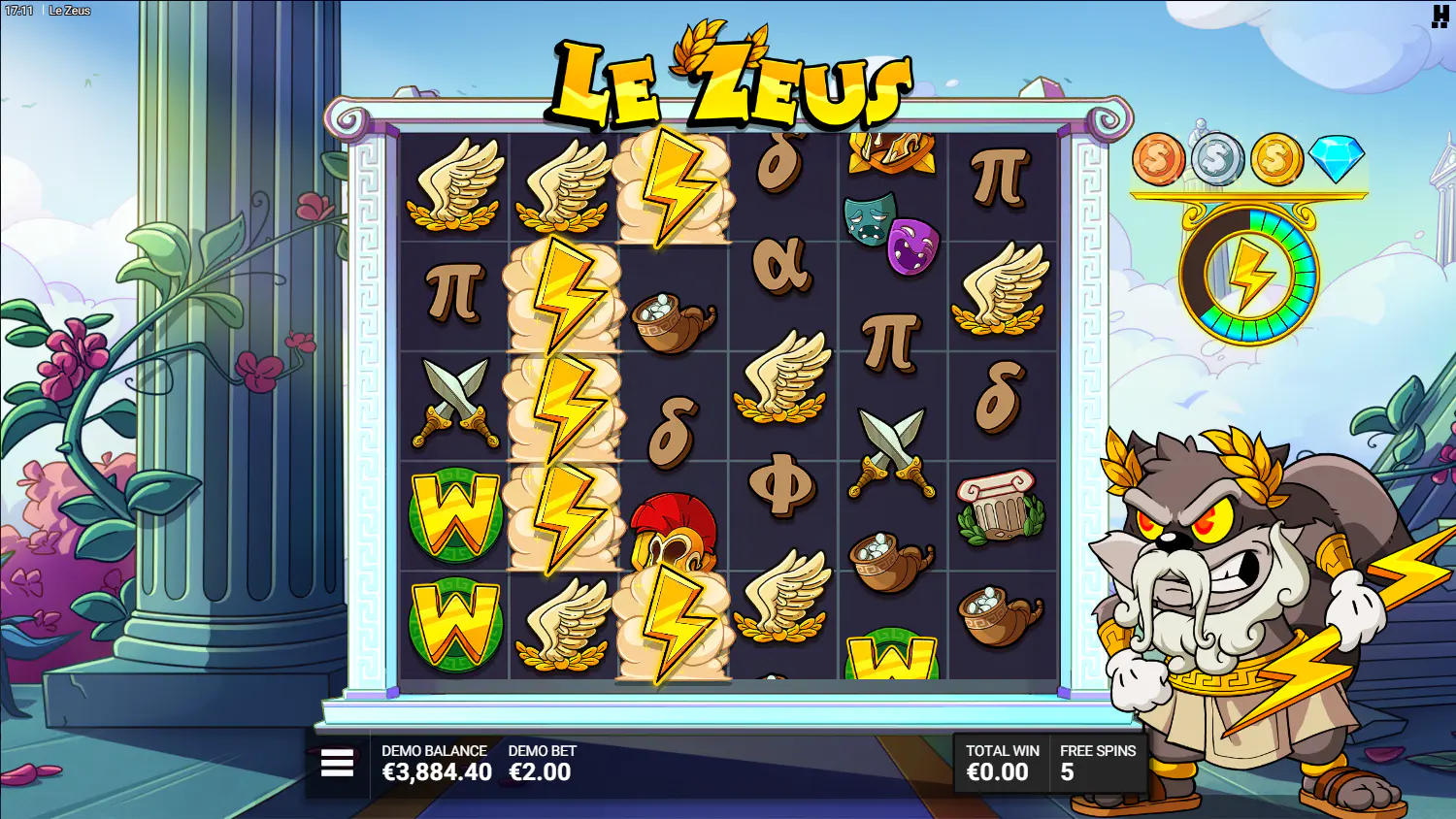
A strong sign of a feature-heavy slot is when the bonus round introduces a new on-screen layer that did not exist in the base game — a separate tracker, a new symbol type, a filling meter, or a tier system that requires its own rules.
In Le Zeus, the bonus mechanic adds a coin collector tracker in the upper right corner of the screen. This tracker has four tiers — bronze, silver, gold and diamond — and a circular lightning meter that fills as the round progresses. Coin symbols that land in a designated reel column reveal numbers or special values that feed into the tracker, and the tier you reach determines the bonus reward. Wild symbols also become active in the same round.
When the lightning reel mechanic triggers, an entire column fills with lightning bolt symbols, the tracker continues accumulating, the round counter runs in the corner, and wilds remain visible across the rest of the grid. The player is managing four separate visual elements at the same time: the lightning column, the coin tracker tiers, the reel counter, and the wild positions.
That level of simultaneous activity is the defining characteristic of a feature-heavy slot. It is not that any single element is hard to understand in isolation. It is that the game asks you to track all of them together within a single bonus session.
The buy bonus signal
The presence of a bonus-buy option is worth noting as a feature-heavy indicator, not because the button itself is complex, but because of what it implies about the bonus round.
Bonus-buy options exist because the free-play bonus in feature-heavy slots is the main event. Developers add a buy option when the bonus round is significantly different from and more valuable than the base game. If a game offers a bonus buy, it is almost always because the free spins or collect mechanic has enough additional layers, multipliers, or special symbols to justify a separate purchase price.
Sweet Bonanza 1000 offers two buy options at different price points: a standard Buy Free Spins and a more expensive Buy Super Free Spins. The difference in cost between the two reflects a difference in feature intensity within the same bonus round. That kind of tiered bonus-buy structure is almost exclusively found in feature-heavy slots where the bonus itself has multiple configurable layers.
A practical check before you open a slot
If you want a quick way to judge feature weight before committing to a session, check these four things in order.
If all four checks point toward higher complexity, the slot is feature-heavy. That does not mean you should not play it. It means you will enjoy it more once you already understand the basics elsewhere. How to choose your first demo slot covers exactly that decision: when a slot works as a starting point and when it works better as a follow-up.
Feature-heavy versus too complex
There is a practical difference between a slot that is feature-heavy and a slot that is simply too complex for a particular stage of learning. Feature-heavy means the game has a lot going on, but all of it is well-designed and communicates itself clearly once you have the right background. Too complex for beginners means the game asks for several kinds of prior knowledge at once, before you have had the chance to build any of them.
Sweet Bonanza 1000 and Le Zeus are both feature-heavy. They are also both slots that show common signs of being too complex for complete beginners, not because they are poorly made, but because they are built for players who already understand tumbles, multipliers, collect mechanics and non-payline logic well enough to enjoy them under bonus-round pressure.
Knowing which category a slot belongs to before you open it is exactly the kind of reading habit this cluster is built around. If you want to put it into practice with two real examples side by side, how to compare two slots in 60 seconds gives you a structured method that works for any pair of games, including feature-light versus feature-heavy comparisons.