
What Makes a Slot Easy to Read?
Some demo slots feel immediately clear. You open the game, look at the screen, and within a few seconds you already understand the basic idea: here are the symbols, here is the layout, here is the feature. Other slots look friendly on the surface but start asking questions before you have had a chance to learn the rules.
Understanding what to look for before you spin is one of the most useful habits you can build early. The readability of a slot is not about whether it is exciting or well-designed. It is about whether the game communicates clearly enough for you to follow what is happening without needing to pause every few spins.
Layout and grid size
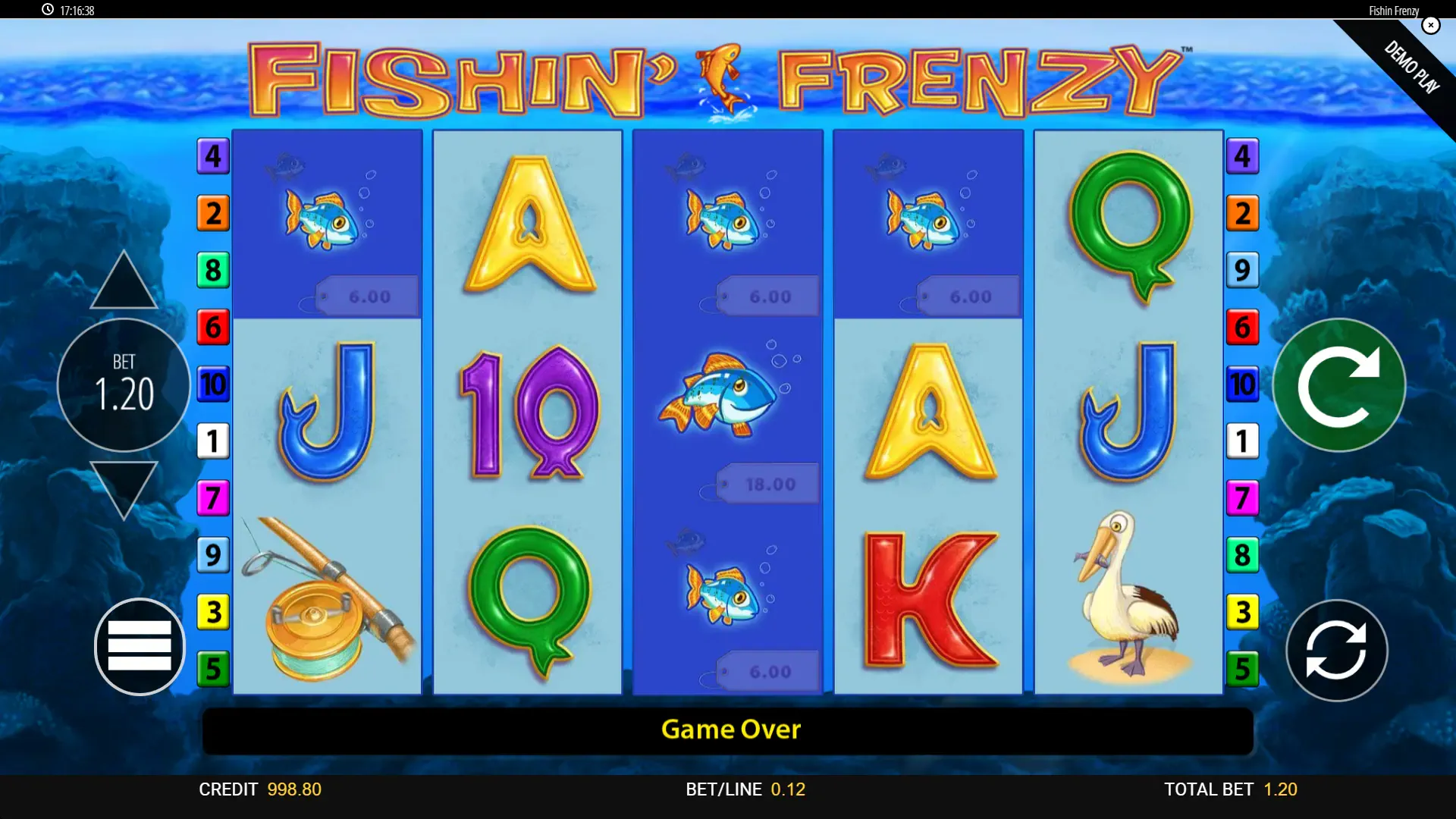
The first thing to read is the grid itself. A traditional five-reel, three-row layout is one of the easiest starting points because the space is compact and the number of symbol positions is limited. There are 15 positions on the screen, and each one holds one symbol at a time.
Fishin’ Frenzy is a strong example of this. The 5×3 layout gives you a clean, manageable grid where every visible symbol sits in a predictable position. The payline numbers run along both sides of the screen, so you can see at a glance that wins follow a numbered line structure. Nothing on the main game screen suggests hidden complexity or additional mechanics waiting to activate.
A larger grid does not automatically make a slot harder to read, but it does increase the amount of information on screen at once. A 6×5 grid like the one in Sweet Bonanza 1000 shows 30 symbol positions per spin, which is double the count of a classic 5×3. That is worth noticing before you start, because it changes the visual pace of the game significantly.
Symbol clarity
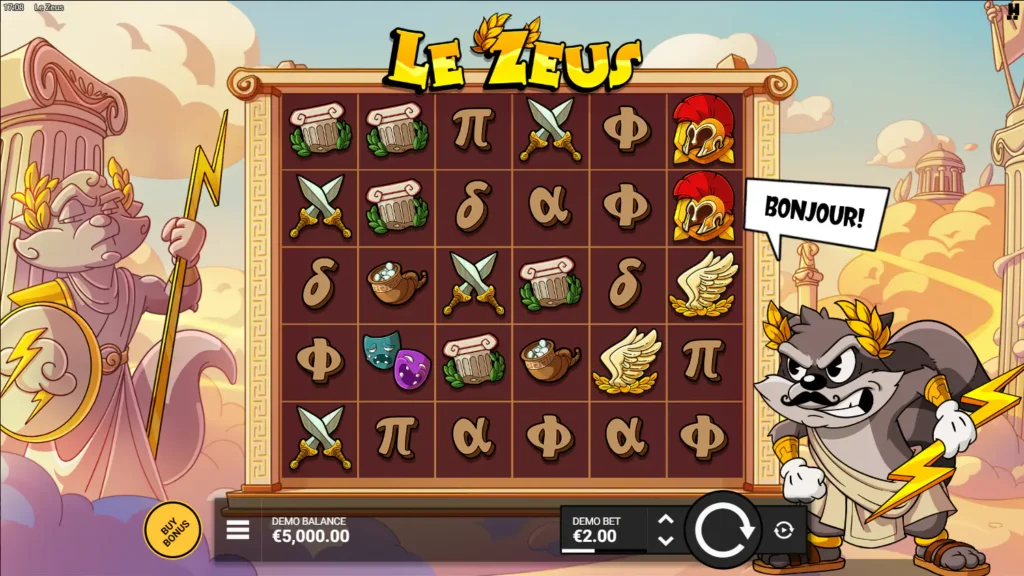
After the grid, look at the symbols themselves. The question is simple: can you tell the premium symbols from the low-value symbols just by looking at them?
In Fishin’ Frenzy, the answer is yes within seconds. The fisherman is the top premium symbol, followed by a distinct set of themed icons, and then the standard playing card letters A, K, Q, J and 10. Each symbol is visually different from the others. There is no risk of confusing a fish with a life ring, or a pelican with a hook, because the game uses strong shapes and clear colors for each icon.
Le Zeus presents a different picture. The grid includes Greek letter symbols — π, δ, α and φ — that serve as lower-value icons. These characters look stylistically similar because they are all drawn in the same carved-stone style and share a similar visual weight. For a player who already knows the game well, that is not a problem. For a player opening the slot for the first time, it means the lower half of the symbol set does not separate itself as clearly from the premium symbols as it would in a more visually distinct game.
How wins are formed
One of the fastest ways to judge a slot’s readability is to ask: can you understand the win system from the screen alone, without opening the paytable?
In Fishin’ Frenzy, the numbered paylines on the side edges answer that question immediately. The game uses a classic left-to-right structure with fixed lines. Even without reading a single rule, the screen tells you that wins follow numbered patterns, and that the layout is the same on every spin. That makes it one of the clearest examples of how to spot a payline slot at a glance.
Sweet Bonanza 1000 uses a different approach entirely. There are no payline numbers, no line indicators, and no directional cues on the main screen. That is because the game counts matching symbols anywhere on the grid rather than following fixed lines. This is an example of how to recognize a count-based slot, and it means the win system is not immediately visible from the layout alone. A beginner who expects to see paylines will not find them, and that can make the game feel harder to read at first even though the base logic is actually quite visual once you know it.
The bonus layer
After the grid, symbols and win system, the final thing to read is the bonus structure. A single, well-defined bonus feature is usually a sign that the game communicates well. Multiple stacked layers, triggered mechanics, active counters and special-mode screens all add to the reading load.
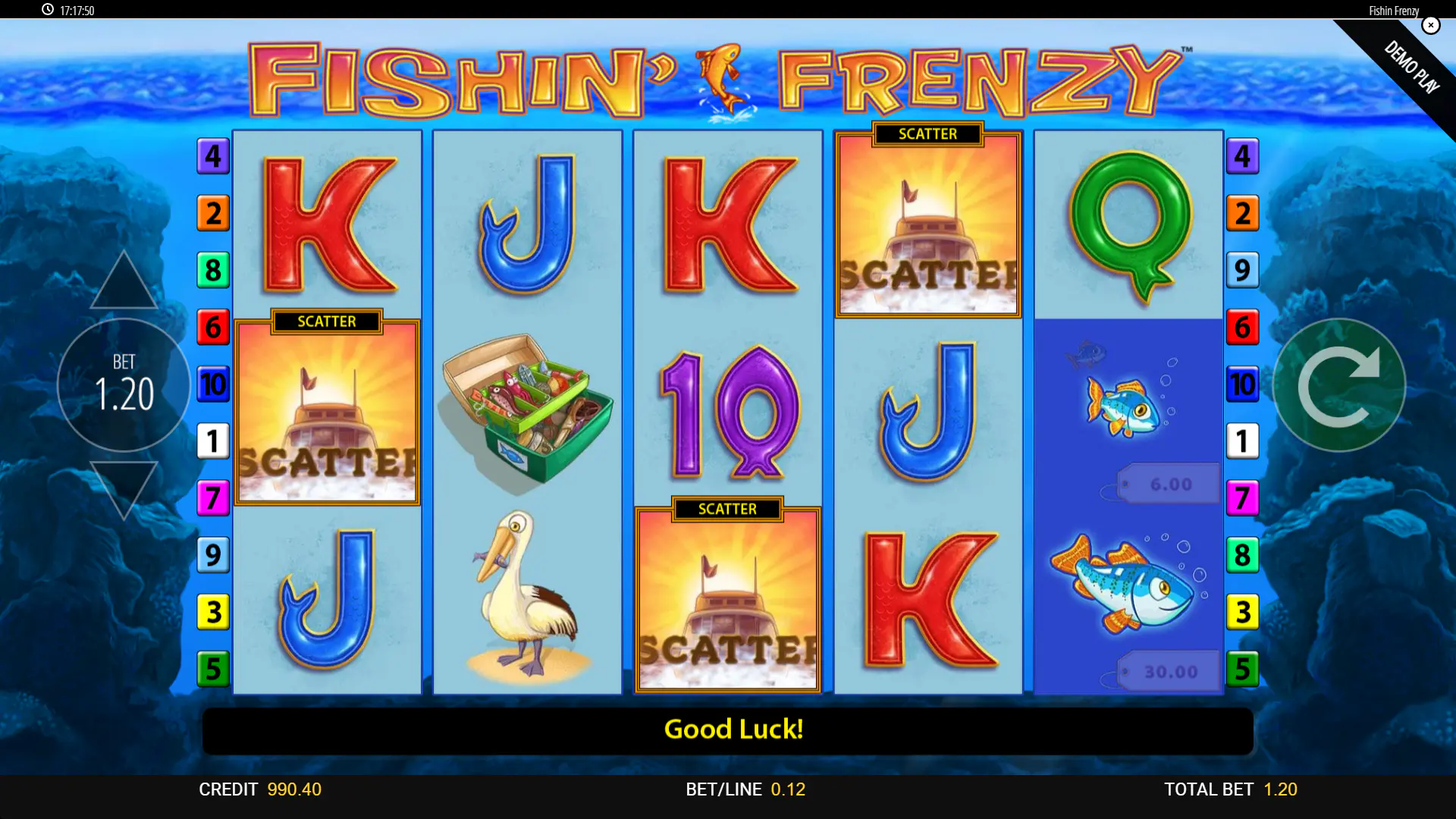
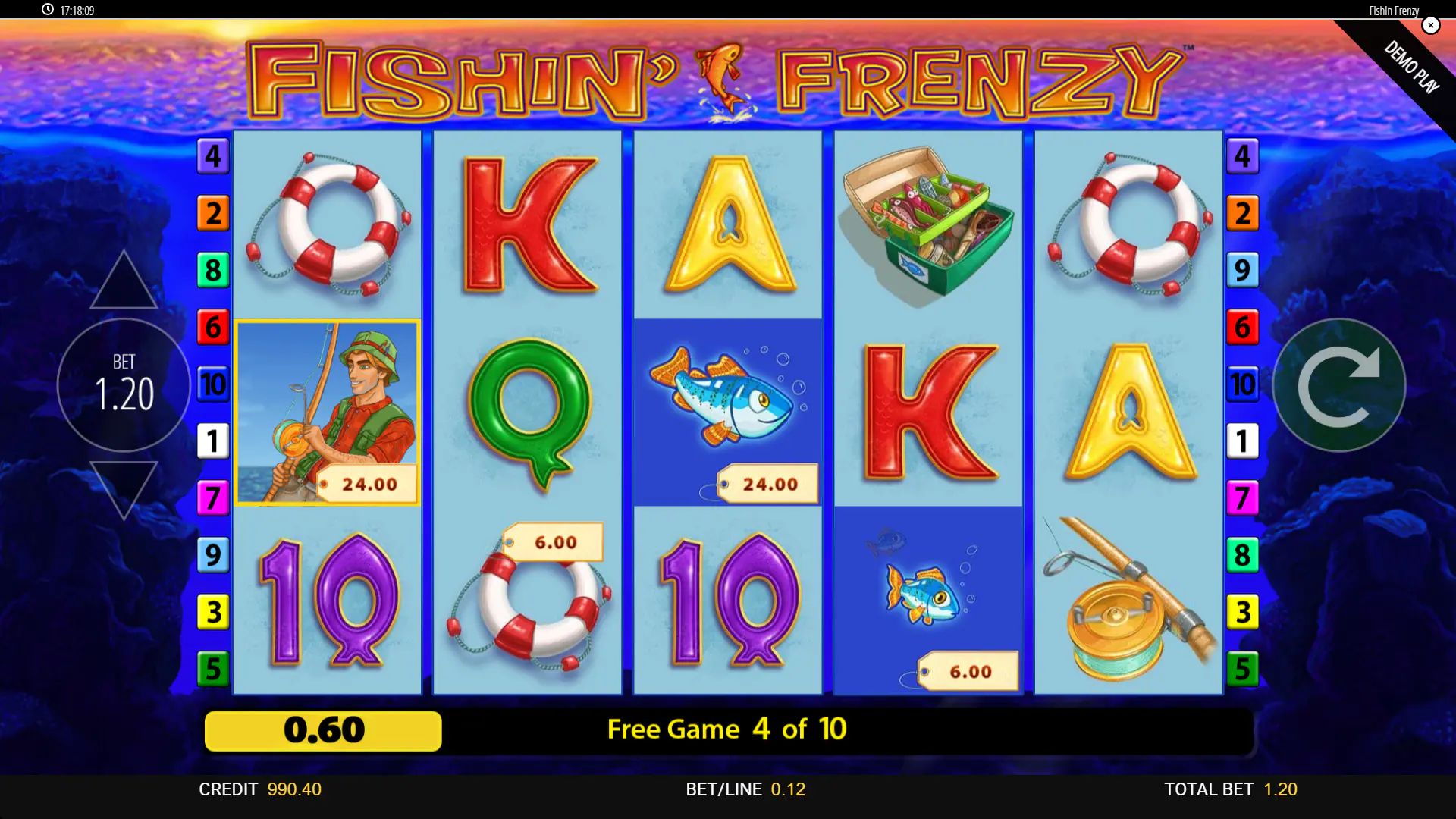
Fishin’ Frenzy shows its bonus clearly and early. When three or more Scatter symbols land, the game labels them with the word “SCATTER” directly on the symbol face, so the trigger is impossible to miss. The free spins round uses the familiar layout from the base game and adds one clear mechanic: the Fisherman symbol collects the values of fish symbols that land on the same spin. That is one idea, communicated in one place.
During free spins, the game shows “Free Game 4 of 10” at the bottom of the screen, win values appear as small tags on the winning symbols, and the paylines highlight normally. There is nothing else to track. A player who has never seen a free spins round before can follow this one without difficulty.
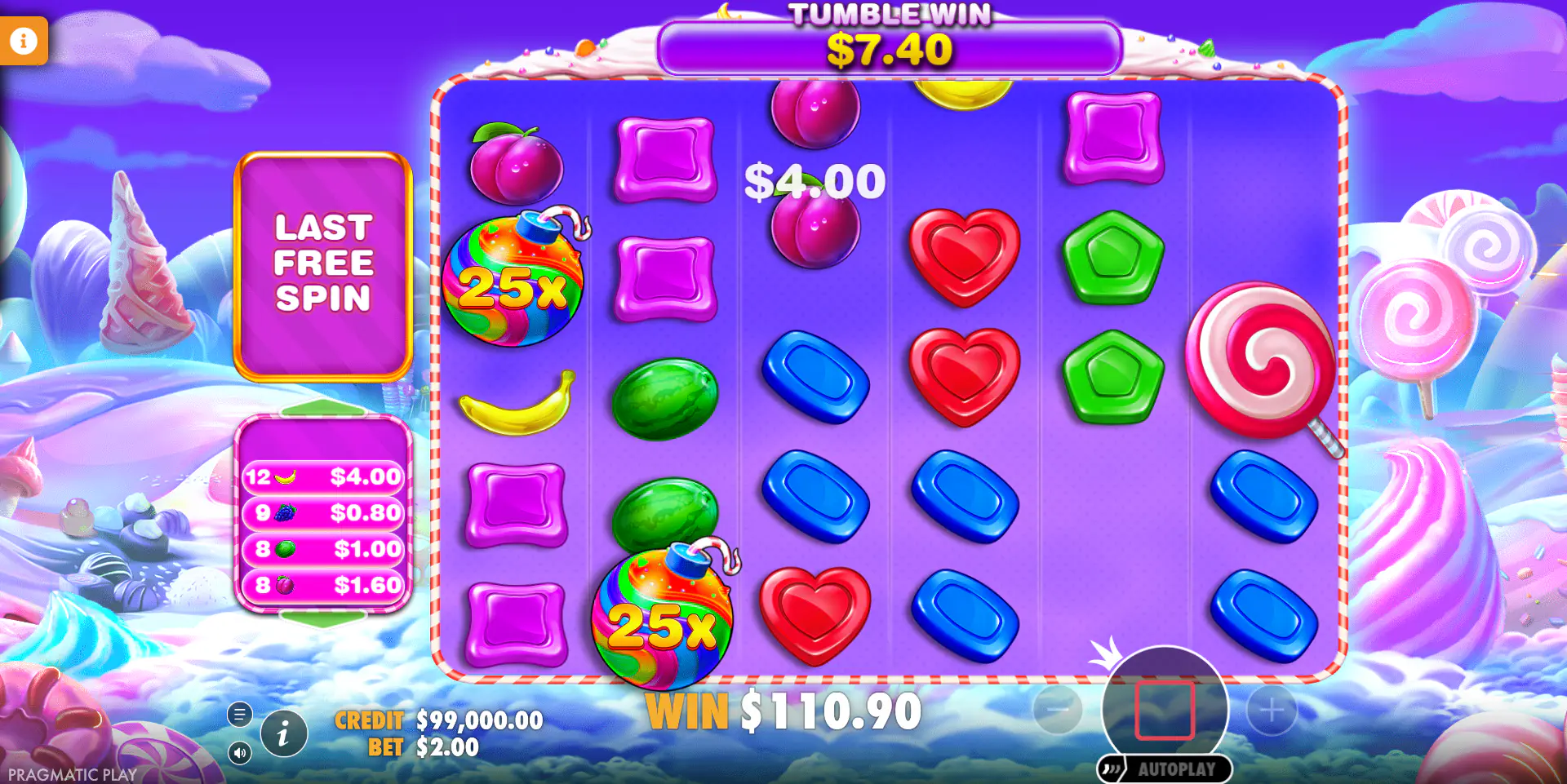
Sweet Bonanza 1000 introduces a noticeably more layered bonus experience. During free spins, the background changes to deep purple, tumble wins accumulate across the top of the screen, multiplier bomb symbols can appear anywhere with random values between 2x and 1000x, and a “LAST FREE SPIN” panel activates near the end of the round. The win counter tracks tumbles in real time while multipliers stack. Each of these elements makes sense on its own, but following all of them together during your first session requires more attention than a single-mechanic free spins round.
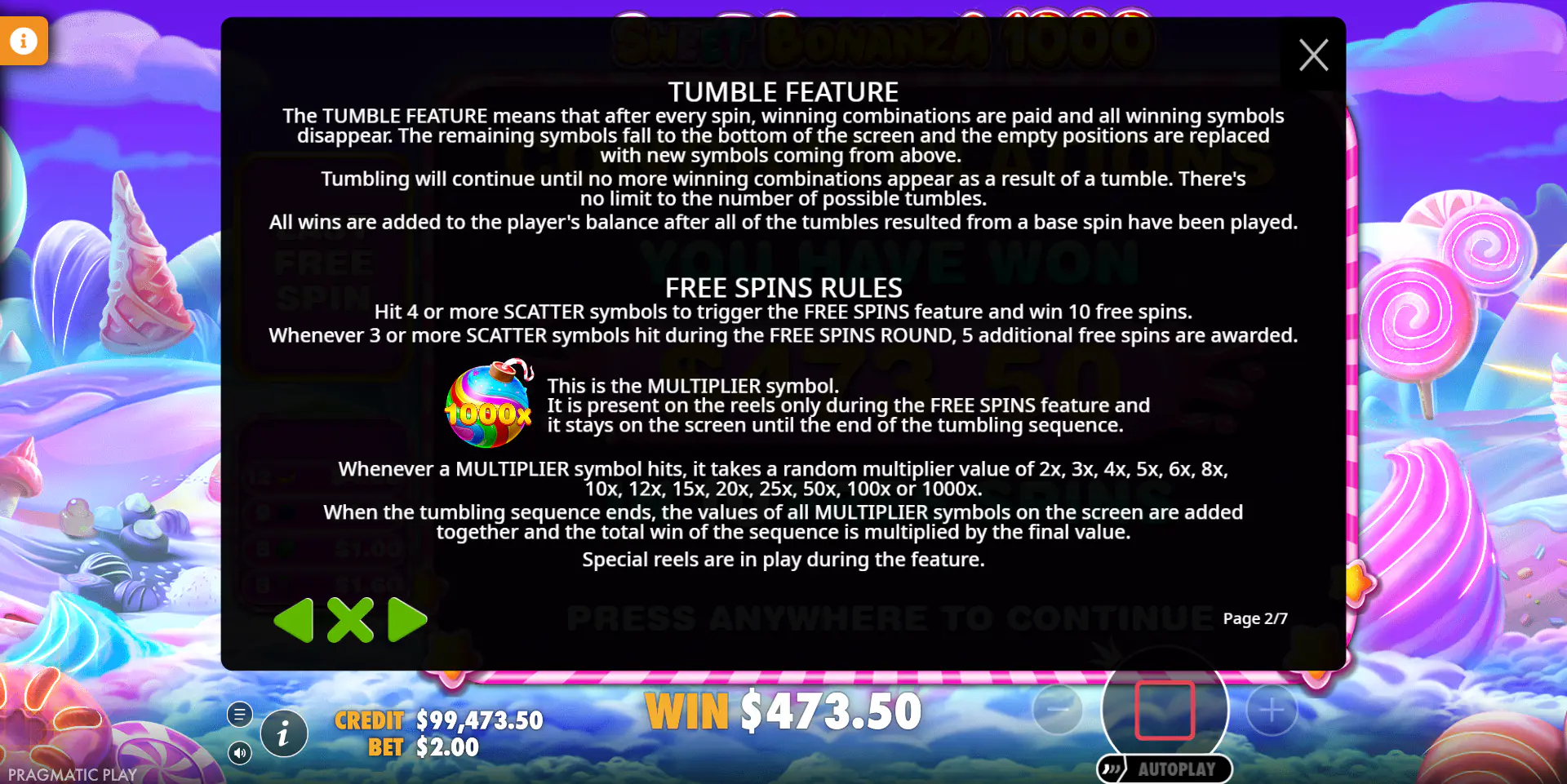
The paytable tells the same story. The Tumble Feature, Free Spins Rules and Multiplier symbol each get their own section, and the full rules page runs to 7 pages. That is not a fault of the game. It is simply a sign that the bonus structure is richer, which is also what makes Sweet Bonanza 1000 a better next-step demo than a first-ever slot.
When the interface adds complexity
Beyond mechanics, the main game screen itself can signal difficulty before you spin once.
Sweet Bonanza 1000 opens with two Buy Bonus buttons on the left side of the screen — Buy Free Spins and Buy Super Free Spins — along with a “Double Chance to Win Feature” toggle and a “WIN UP TO 25,000X BET” headline above the grid. None of these elements are difficult to understand individually, but together they immediately tell a new player that this game has more purchase options, more feature pathways, and a higher-intensity ceiling than a classic slot.
Le Zeus goes further. During its bonus mechanic, the screen adds a coin collector tracker in the upper right corner with four tiers — bronze, silver, gold and diamond — alongside a circular lightning meter that fills as the round progresses. Coin symbols land in a dedicated reel column and reveal numbers or special values that feed the tracker. Wild symbols also become active in the same round. That is a lot of moving parts to follow at once, which is exactly why this kind of slot belongs in the category of slots that are too complex for beginners to start with.
During active free spins in Le Zeus, an entire reel column can fill with lightning bolt symbols, the coin tracker stays active, wild symbols are visible across the grid, and the round counter runs in the corner. Visually, the screen is doing several things at the same time. A player who already understands wild substitutions, coin-collect mechanics and reel modifiers will read this quickly. A player encountering these ideas for the first time will need more context before the screen makes full sense.
What easy readability actually looks like
A slot is easy to read when four things work together: the grid size is manageable, the symbols are visually distinct, the win system is visible or quickly understood, and the bonus adds one clear idea rather than several overlapping layers.
Fishin’ Frenzy delivers all four. It is not the most feature-rich game in the Respinix catalogue, but that is precisely what makes it one of the best learning examples. You can follow the layout, understand the symbols, see how wins form, and track the free spins round without needing to pause or check the rules panel.
If you want to move toward a more feature-forward experience after that, how to tell if a slot is feature-heavy gives you a practical method for reading that layer before you commit to a session. And if you want a quick way to compare two slots side by side, how to compare two slots in 60 seconds gives you a structured four-question approach that works for any pair of games.
The goal is not to avoid complexity forever. The goal is to understand a slot before you spin it, and to build that reading habit from the clearest possible examples first. Once you have done that with Fishin’ Frenzy, slots like Sweet Bonanza 1000 and Le Zeus become much easier to approach with confidence.