
Three Little Pigs by KA Gaming is a 5-reel cartoon slot that applies a highly volatile math model to a classic fairy tale theme. Operating with 40 fixed lines, the base gameplay requires the wild wolf symbol to land on specific paths to activate a critical 3x multiplier. Landing three or more scatter houses shifts the session into a high-variance picker bonus round where hidden coins and free games are revealed, upgrading the wild multiplier to 6x for intense payout potential.
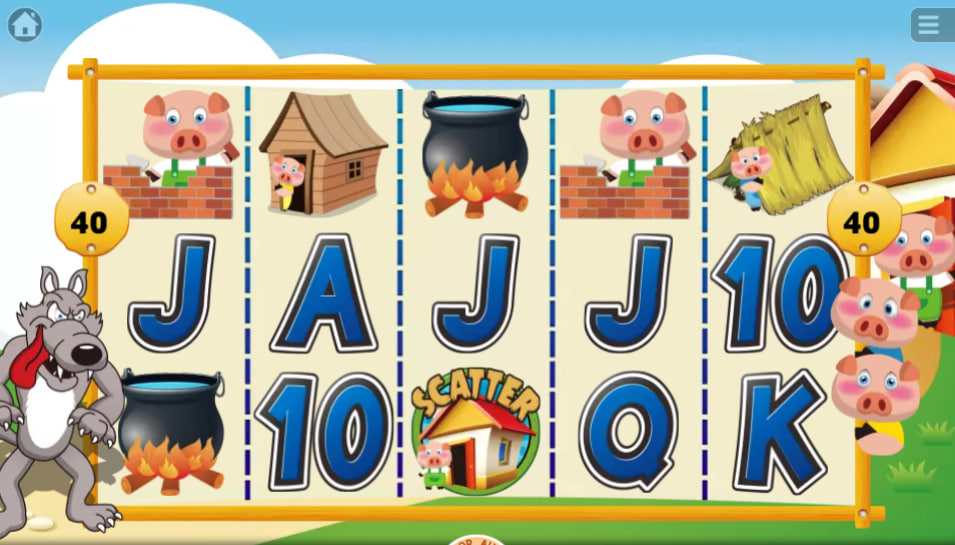
The mechanical grid functions across a standard layout where line wins pay strictly left to right, forcing players to chase identical symbols across specific paths. Payout structures are heavily segmented, meaning low-tier card symbols like Tens or Jacks return microscopic rewards that fail to cover the cost of the spin. Chasing the bonus requires landing three or more scatter houses anywhere on the reels, a task that frequently results in long stretches of dead spins. The true conflict occurs between the flat line payouts and the conditional wild enhancements that only trigger under strict substitution rules.
For casual players expecting frequent, small wins to maintain their balance, this slot is a dangerous choice. The symbol economy is top-heavy, leaving a huge performance gap between the high-value pig characters and the basic playing cards. The visual style relies on classic cartoon drawings that mask the volatile nature of the math engine under a cheerful facade. This clear contrast between playful graphics and a harsh payout model means anyone hunting for a soft, low-risk session will likely face rapid bankroll depletion.
Is the Wild Wolf Multiplier Sustainable for Long Sessions?
The entire baseline economy of this game hinges on the wild wolf symbol to lift standard payouts out of the red. Every single line win that includes a wild replacement receives an automatic 3x multiplier during the base game. This mechanical layer is not an optional luxury; it is the core engine required to offset the weak standard paytable values. When a wild lands and completes a line of top-paying pig symbols, the cash injection is substantial enough to keep the balance afloat for another fifty rounds.
Yet the base game remains a war of attrition because the wolf symbol appears with strict positioning constraints. When the wild stays absent for ten or fifteen consecutive spins, the standard payouts reveal their true, punishing nature. Winning combinations made of basic symbols barely register as victories, often returning a fraction of the initial wager. This creates an environment where your balance bleeds steadily between the rare moments when the wolf connects a premium payline.
How Do the Board Picks Determine the Free Game Potential?
Triggering the special feature by hitting three, four, or five scatter symbols initiates an immediate transition to a multi-stage picker screen. The number of choices awarded matches the exact number of scatter symbols that landed on the triggering spin. Players must pick individual wooden boards to uncover hidden cash coins and the total number of free spins. This selection phase shifts the session’s volatility entirely into the hands of a blind pick, making the initial trigger only half the battle.
The true risk during this picking round is walking away with the absolute minimum number of free games. Hitting three scatters grants three picks, but if those boards reveal low coin values or short spin counts, the upcoming bonus round is compromised before it even starts. The game forces an execution pattern where the player must maximize both the spin count and the coin values simultaneously to secure a profitable feature.
Does the 6x Wild Multiplier Justify the Base Game Drain?
Once the free games commence, the wild wolf symbol upgrades its power to deliver an intense 6x multiplier on all substituted wins. This doubling of the wild value changes the entire risk profile of the slot, turning dead lines into massive payouts. A single premium combination completed by a wild wolf during this phase can instantly erase all losses accumulated during the base game grind. The math engine shifts its weight completely into these free rounds, concentrating the maximum winning potential into a short window.
But this extreme multiplier premium comes with a structural catch that players must respect. If the free game count won from the boards is low, the probability of landing a wild wolf on the correct paylines drops significantly. It is entirely possible to grind through a bonus round without utilizing the 6x multiplier once, resulting in a frustratingly low total payout. The game does not guarantee wild placements, meaning the high variance can leave you with a near-empty return after chasing the scatters for hundreds of spins.
Can Layout Quirks Speed Up Your Balance Drain?
The inclusion of 40 fixed paylines means every spin carries a substantial baseline cost that must be covered by multi-line connections. Because symbols frequently land in mismatched clusters, the game generates the illusion of winning by paying out small rewards across one or two lines while losing on the other 38 paths. This hidden mechanical rule means your net balance continues to drop even when the screen lights up with celebratory win animations. Grinders must watch the actual cash value rather than the visual cues to understand the true state of their session.
Why Do Blocker Symbols Ruin Your Payline Continuity?
The lower half of the paytable is packed with royal symbols from Ten to Ace that serve as structural blockers on the grid. While they do offer small returns for five-of-a-kind alignments, their main purpose is to disrupt the paths of the high-paying pig symbols. Because all standard symbols must match from left to right on active lines, a single poorly placed Ten can completely invalidate a potentially massive combination of brick houses. This layout layout ensures that premium wins remain rare, forcing players to endure long sequences of low-value line completions.