
Serengeti by GMW is a high-grade 6-reel slot that strips away modern cinematic filler to deliver a raw, high-volatility safari session. Operating on a 6×4 grid dominated by stacked Elephant Wilds, the game utilizes a mandatory left-to-right payout structure where six-of-a-kind combinations hold the real premium value. Featuring a multi-level jackpot link with absolute must-hit caps up to $2,500,000.00 and an intense card-based double-up gamble mechanic, it targets seasoned players.
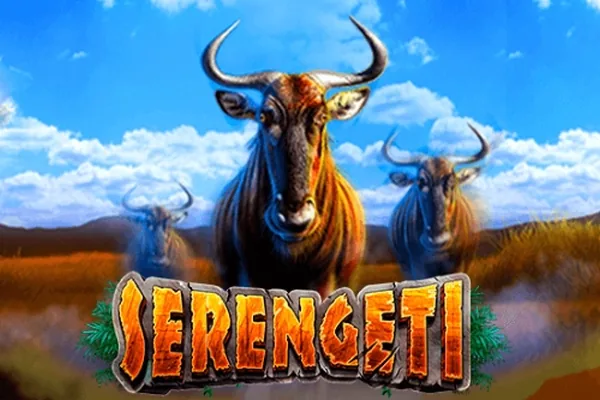
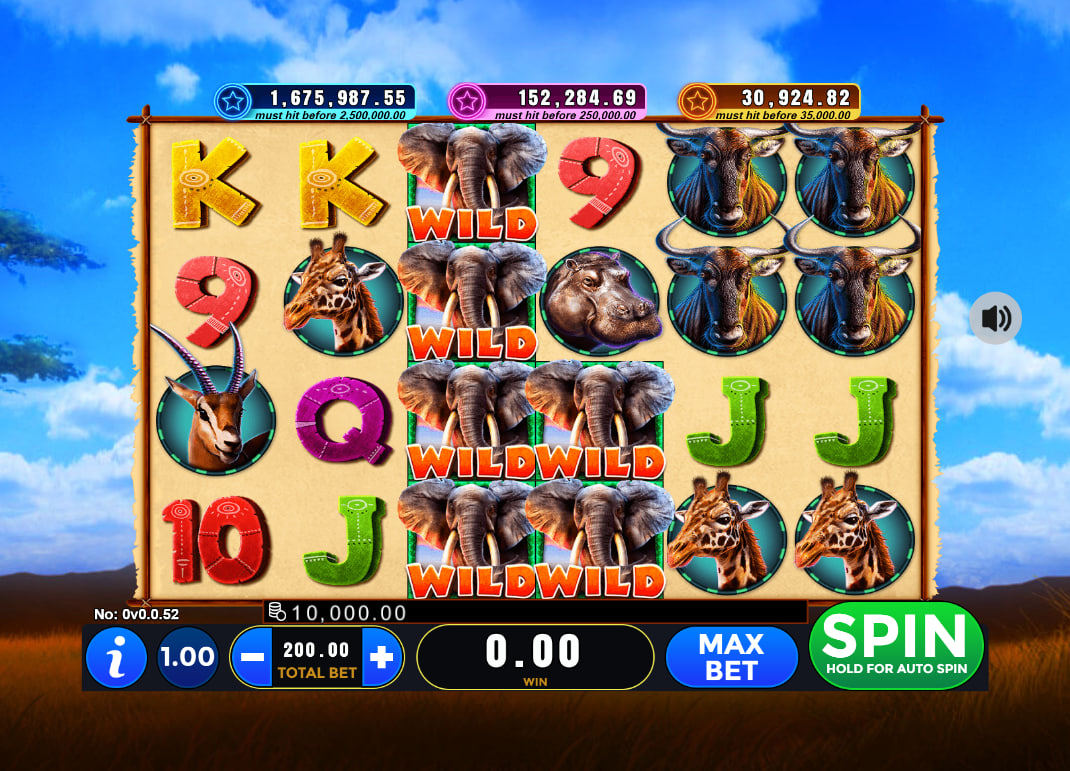
Stacked predators and a relentless base game structure immediately show that this layout values clustered strength over isolated hits. The engine relies on massive symbol clumps to deliver anything worthwhile, making it a high-friction environment where small wins feel like mere consolidation prizes while waiting for the larger animal herds to align perfectly from left to right.
The Mechanics of the Savanna Layout
A six-reel grid completely rewrites the hit dynamics of typical five-reel slots. Serengeti utilizes an extended reel format where matching symbols must land consecutively from the leftmost reel to unlock the higher tiers of the paytable. The math model rewards deep length, meaning four-of-a-kind and five-of-a-kind hits pale in comparison to the massive jumps seen when hitting a full six-of-a-kind sequence across all vertical rows.
The primary catalyst for massive payouts is the Elephant Wild, a symbol designed to occupy massive portions of the grid. Because this top-tier icon appears stacked across all six reels, the standard gameplay loop swings wildly between long stretches of empty space and single spins that flash multiple columns of identical symbols. When a stacked column of Wilds locks into the middle reels, it bridges the gap between high-paying animal symbols, turning ordinary low-value hits into sprawling, interconnected wins.
Decoupling the Scatter and Triggers
Navigating the bonus requirements reveals a rigid structural design that forces precise reel placement over simple symbol accumulation. The Serengeti Scatter, represented by a sprawling acacia tree silhouetted against a golden sunset, abandons the common slot mechanic of paying out anywhere in view. To extract value from this symbol, it must land exactly on the terminal ends of the grid.
Why the Outer Reels Control the Bonus Loop
The game locks the scatter mechanics exclusively to reel one and reel six, creating intense anticipation on every spin that initiates with a golden tree. Landing a scatter on the first reel transforms the rest of the spin into a high-stakes chase for the matching tree on the final reel. Because it cannot land on the internal four reels, the standard illusion of creeping closer to a bonus with three or four scattered icons is completely stripped away.
Retrigger Mechanics and Free Game Value
Achieving the dual-scatter trigger instantly awards a flat package of 8 free games. This bonus round plays out at the exact bet per line and total bet configuration of the spin that initiated the feature. The engine retains the exact same layout rules during the free games, meaning the stacked elephant wild remains your primary vehicle for major returns, and the feature can retrigger indefinitely if the outer reels sync up again on the same free spin.
Unmasking the Savanna Pitfalls
An honest look at the mathematical architecture shows that Serengeti is built to drain balances through small, superficial payouts before delivering a real bonus setup. The paytable looks generous at first glance, but the high number of low-value card suits frequently fills the reels, acting as blockers that ruin premium animal paths.
The Reality of the Low-Tier Symbol Drain
Tens, Jacks, Queens, Kings, and Aces dominate the hit frequency, often landing in fractured patterns that pay minimal fractions of the total wager. A three-of-a-kind hit with the number nine or ten returns an insignificant amount, making a long session look like a war of attrition where the balance bleeds out continuously. These symbols exist to take up space, diluting the grid and preventing the premium wildebeests, hippos, and giraffes from matching across the full six columns.
Hotkeys and Spacebar Efficiency for Grinders
For players who prioritize efficiency and rapid session turnover, the developer built manual control mechanics directly into the user interface. Grinders can completely bypass manual clicking by holding down the spacebar to initiate auto-spins or using quick taps to instantly stop the reel animations. This ergonomic feature accelerates the spin cycle dramatically, allowing high-volume players to run through hundreds of rounds quickly to reach the progressive tipping points.
The Double Up Risk Analysis
Every payout achieved during normal play unlocks a doorway to the Double Up Feature, a classic card-matching gamble mechanic that lets you wager your immediate winnings. The interface transitions to a secondary screen displaying five playing cards, with only the first card dealt face up.
To double the wagered amount, you must select one of the four face-down cards and reveal a value higher than the dealer’s card, with Aces serving as the absolute highest value and Twos acting as the absolute floor. A tie allows you to retain your original wager without losing, but pulling a lower card instantly destroys the entire amount. This gamble feature is restricted during automated play to wins exceeding 20x the total bet, while manual players can gamble any win above 5x their total wager, allowing up to five consecutive doubling opportunities if you can survive the variance.
The Anatomy of the 3-Level Jackpot Link
The real driving force behind Serengeti is the trio of progressive jackpots tracking constantly above the grid. This system connects every paid spin directly to three distinct prize pools: the Minor, the Major, and the massive Super Jackpot.
- Minor Jackpot: Capped tightly with a hard threshold that must hit before reaching $35,000.00.
- Major Jackpot: A mid-tier pool designed to trigger before it touches the $250,000.00 mark.
- Super Jackpot: The ultimate prize pool on the link, mandated by the engine to burst before reaching a maximum ceiling of $2,500,000.00.
Because each bet contributes a direct percentage to these three tiers, the probability of triggering a jackpot scales dynamically with the size of the wager. Higher stakes increase the mathematical chance of an instantaneous, random award on any paid base spin, and the system is calibrated so that a single spin can theoretically award multiple jackpot levels simultaneously. However, the system completely locks out during the Free Games Feature, meaning these progressive prizes can only be won during normal base play.
The Tracker’s Records
The software engineering behind this title utilizes clear boundaries to ensure fair play across different jurisdictions, labeling all payouts clearly in PFF currency tokens. The underlying math framework is fully certified by independent testing laboratories to ensure the absolute randomness of the stacked wild distributions and jackpot link selections.
- The maximum single-symbol payout belongs to six Elephants, awarding 3,000 credits multiplied by the line bet.
- Wildebeests and Hippopotamuses form the second tier of premiums, maxing out at 1,500 credits for a full line.
- Giraffes and Gazelles round out the animal symbols, offering up to 1,000 credits for six of a kind.
- The system carries a strict malfunction clause stating that any technical failure voids all plays and payouts instantly.
- Total bet adjustments scale linearly, allowing rapid shifts in stakes to alter jackpot contribution rates.
This slot fits perfectly into GMW’s philosophy of matching traditional land-based casino mechanics with aggressive progressive math models, giving players a raw, unfiltered gaming session.