Crash 1917 by iMoon delivers a focused gaming encounter themed around early 20th-century aviation, where player judgment is paramount. The atmosphere cultivates a growing suspense as a vintage aircraft climbs, its altitude directly linked to an escalating payout multiplier. This title diverges significantly from standard slot structures, featuring a singular, dynamic interface where the principal aim is to secure winnings before an unforeseen crash event. The central interactive element is the crucial decision of when to withdraw funds, augmented by an Auto Cash-Out option for strategic consistency. The game’s mechanics are built entirely around this ascending multiplier, demanding direct engagement with risk. Its clean design ensures all focus remains on the plane’s critical trajectory and the player’s timing. This game appeals to individuals who favor active participation in determining their outcomes.

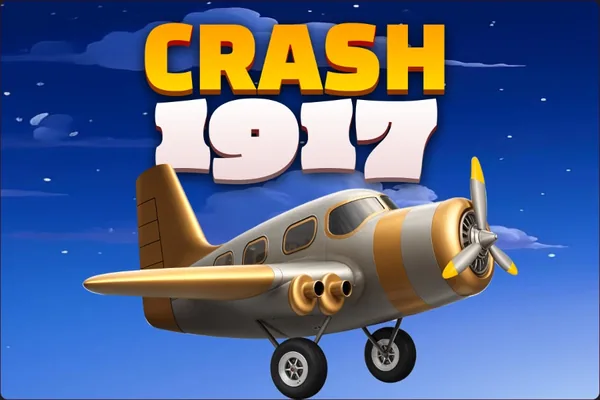
Crash 1917, developed by iMoon, presents a stark departure from conventional slot machine paradigms. It situates the player in a scenario demanding acute timing and a keen assessment of escalating risk. The game’s central premise revolves around a single, ever-climbing multiplier, tied to the flight of an early 20th-century aircraft. The core interaction is deceptively simple: place a wager and decide the optimal moment to withdraw before an inevitable, game-ending crash. This structure creates a compelling loop of tension and release, appealing directly to players who appreciate direct agency in their potential outcomes.
Atmospheric Design and Thematic Immersion
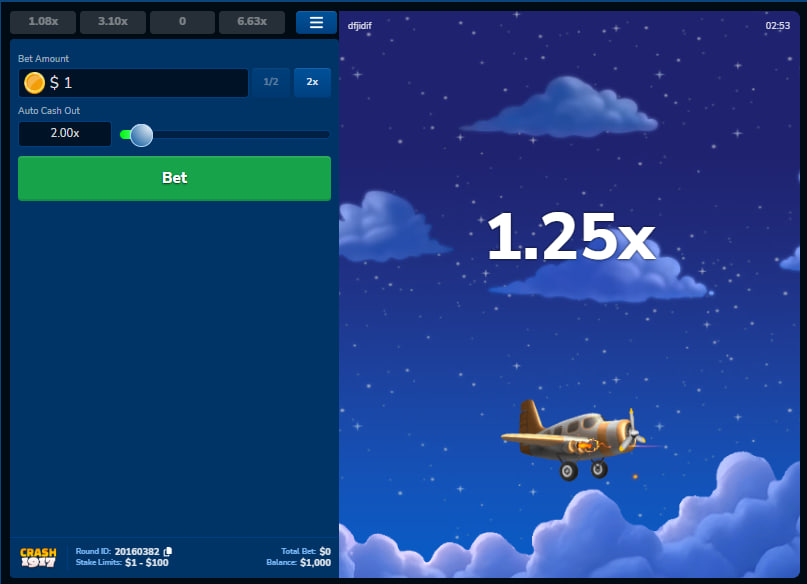
The visual presentation of Crash 1917 is characterized by a clean, somewhat stylized depiction of a biplane ascending against a twilight sky, dotted with stars and gentle clouds. The aesthetic evokes a sense of early aviation, a period of daring and inherent peril, which aptly mirrors the game’s own risk-reward dynamic. There are no elaborate characters or complex narratives; the focus remains squarely on the plane’s flight and the rising multiplier. The sound design, typically minimalist in crash games, supports this focus, accentuating the critical moments of the plane’s ascent and the finality of the crash without becoming intrusive.
This thematic choice contributes significantly to the game’s atmosphere. The lone aircraft against the vast expanse serves as a powerful metaphor for the player’s isolated decision-making process. Each round begins with a brief seven-second countdown, a period of anticipation where betting decisions are finalized. This quick turnaround between rounds maintains a brisk pace, ensuring that players are consistently engaged. The interface itself is unobtrusive, dedicating most of the screen real estate to the plane’s flight, with betting controls and historical data logically arrayed for ease of access.
Core Mechanics and Gameplay Loop
The fundamental mechanics of Crash 1917 are straightforward yet engender considerable strategic thought. Players initiate a round by placing a bet within the specified limits, which, according to the provided information, range from $1 to $100. Once the betting window closes and the plane begins its ascent, a multiplier commences its climb from 1.00x. This multiplier increases steadily, directly influencing the potential payout. The critical decision for the player is to activate the “Cash Out” function before the plane “crashes.” If a player successfully cashes out, their initial stake is multiplied by the value displayed at that precise moment. However, if the plane crashes before the player acts, the stake for that round is forfeited.
The maximum achievable multiplier is 100x, a ceiling that provides a theoretical target for those willing to embrace substantial risk. The game’s rhythm is defined by these cycles of ascent and unpredictable termination. The history of previous crash multipliers is typically displayed, a feature many experienced players scrutinize, attempting to discern patterns or deviations, though each round is an independent event. The user interface facilitates quick adjustments to bet amounts, often providing options to halve or double the current stake, allowing for rapid strategy shifts between rounds. The clarity of the real-time multiplier display is paramount, as it’s the focal point of player attention during the tense flight sequence.
Strategic Nuances and Player Agency
Unlike traditional slots where outcomes are determined by random number generation upon spinning reels, Crash 1917 grants the player a significant degree of control over the realized outcome, albeit within a framework of uncertainty. The primary strategic element is risk management, manifested in the cash-out decision. Players must continually weigh the allure of a higher multiplier against the escalating probability of a crash. This creates a psychological dynamic where patience can be rewarded, but greed is often punished.
A key feature available to players is Auto Cash-Out. This function allows a player to pre-set a multiplier at which the game will automatically secure their winnings for that round, provided the plane reaches that predetermined altitude. This is a valuable tool for disciplined players who wish to adhere to a consistent strategy, removing the emotional component from the cash-out decision. For instance, setting an auto cash-out at 2.00x ensures a consistent attempt to double the stake, requiring less manual intervention during the fast-paced gameplay. Understanding the implications of network disconnections is also vital; if a disconnection occurs and auto cash-out is enabled, it will be applied. Otherwise, an unresolved round during a disconnection is typically treated as a loss if the crash occurs before any action could be registered.
Interface and Information Accessibility
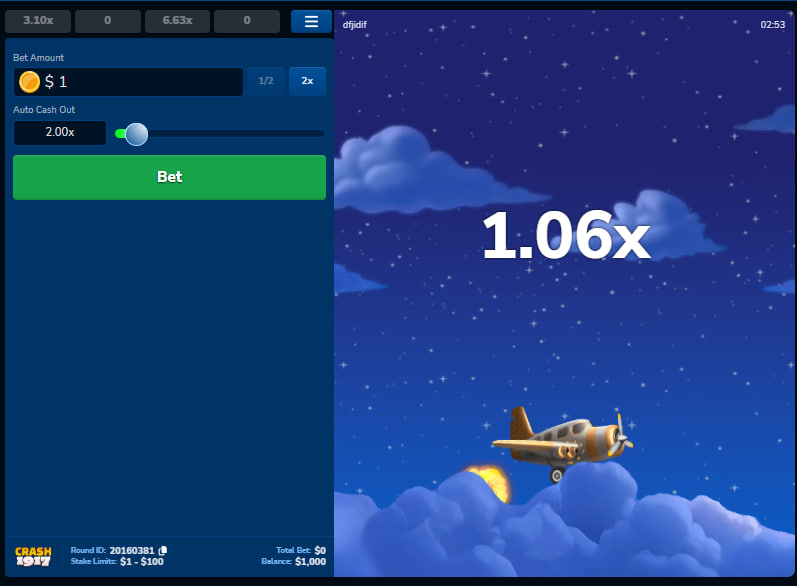
The game interface in Crash 1917 is designed for clarity and rapid interaction, essential for its fast-paced nature. Key information such as the current Bet Amount, Balance, and Stake Limits are readily visible. The prominent “Bet” button and the controls for adjusting the bet size are intuitively placed. The Auto Cash-Out setting is usually a slider or input field, allowing players to fine-tune their desired automatic exit point. Crucially, the History of past rounds, showing the multipliers at which previous flights terminated, is accessible. While past performance does not predict future outcomes in a truly random system, many players use this data to inform their betting strategies or to get a feel for the game’s recent volatility.
Other standard interface elements include sound toggles and access to game rules or a “How to Play” section. The Round ID is an important detail, providing a unique identifier for each game played, which can be useful for tracking purposes or if any discrepancies need to be addressed. The ability to view “Last Crashes” directly gives immediate context to the current betting environment. The presence of a chat function in some iterations of crash games allows for a communal experience, though this aspect varies by platform and specific game version.
Crash 1917 by iMoon offers an engaging and direct form of gambling that stands in contrast to the feature-laden complexity of many modern video slots. Its strength lies in its simplicity and the raw psychological tension it generates. The game demands constant decision-making and a clear understanding of one’s own risk tolerance. The Auto Cash-Out feature is a commendable inclusion, catering to players who prefer a more systematic approach by allowing the pre-definition of a win condition.
While the core concept is not unique to iMoon, Crash 1917 executes it effectively with a clean interface and a theme that complements the gameplay. The potential for rapid, successive rounds appeals to those seeking dynamic action. However, the very nature of crash games means that they can be highly volatile, and sessions can see swift bankroll fluctuations. This game is best suited for the experienced player who understands probability, can manage their funds judiciously, and possesses the discipline to adhere to a pre-determined strategy rather than succumbing to chasing losses or becoming overly ambitious after a win. For individuals who appreciate a direct correlation between their timing, nerve, and outcome, Crash 1917 provides a focused and often exhilarating experience. It is a compelling option for those who find traditional slot mechanics less engaging and prefer a more interactive role in determining their results.